The Complete Bearded Dragon Care Guide
Owning a bearded dragon is a 10 to 15-year commitment. Unlike a goldfish, these reptiles have complex personalities, specific dietary needs, and a language all their own.
You’ve already set up the perfect habitat (if not, check our Habitat Setup Guide). Now comes the real work: the daily routine.
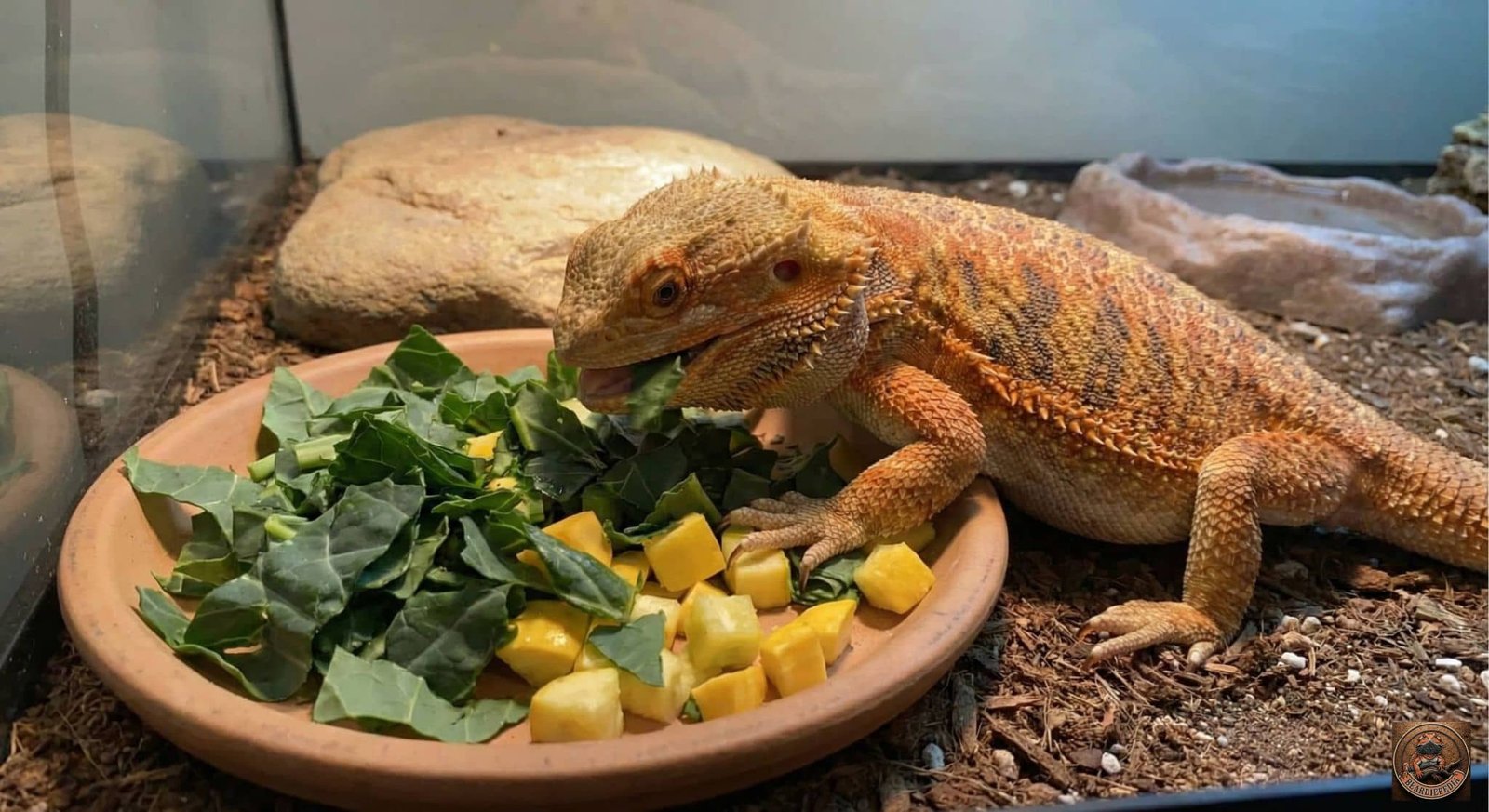
🥗 Diet & Nutrition (The 80/20 Rule)
The most common health issue in captive dragons is obesity and liver disease, caused by a poor diet. Understanding what to feed—and when—is crucial.
Essential Feeding Guides:
- The Ultimate Food List: Safe Greens, Toxic Plants & Best Insects
- Calcium & Vitamins: The Dusting Schedule You Need
- Hydration: How to Get Your Dragon to Drink Water
🦎 Handling, Taming & Behavior
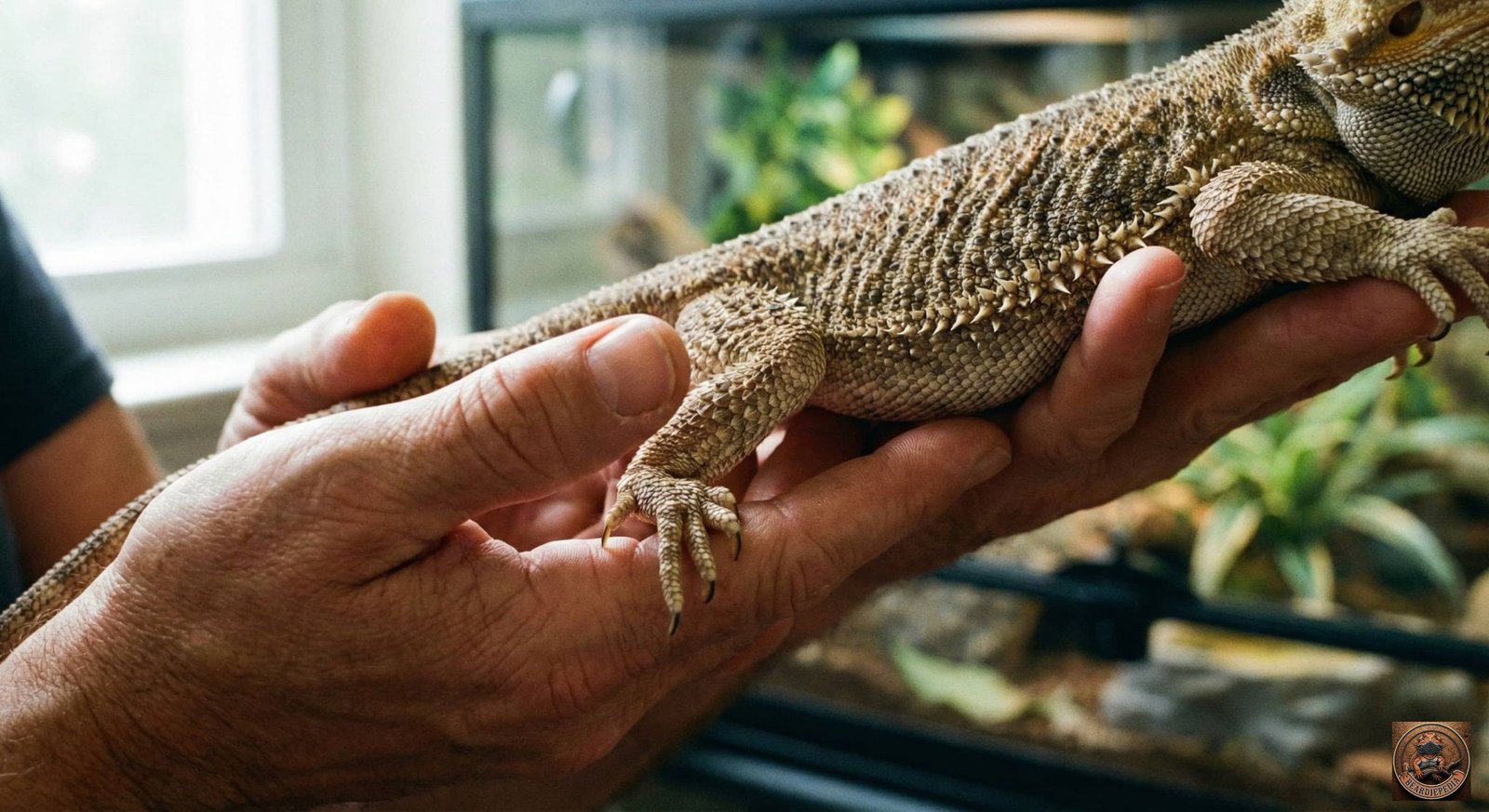
Is your beardie "glass surfing"? Are they puffing out their beard? Socialization is what turns a skittish reptile into a chill companion. However, trust must be earned.
Master the Body Language:
- How to Tame a Baby Bearded Dragon (Step-by-Step)
- Bearded Dragon Body Language Decoded (Head Bobbing & Waving)
- Stress Marks: Why They Appear and How to Fix Them
🛁 Shedding, Bathing & Hygiene
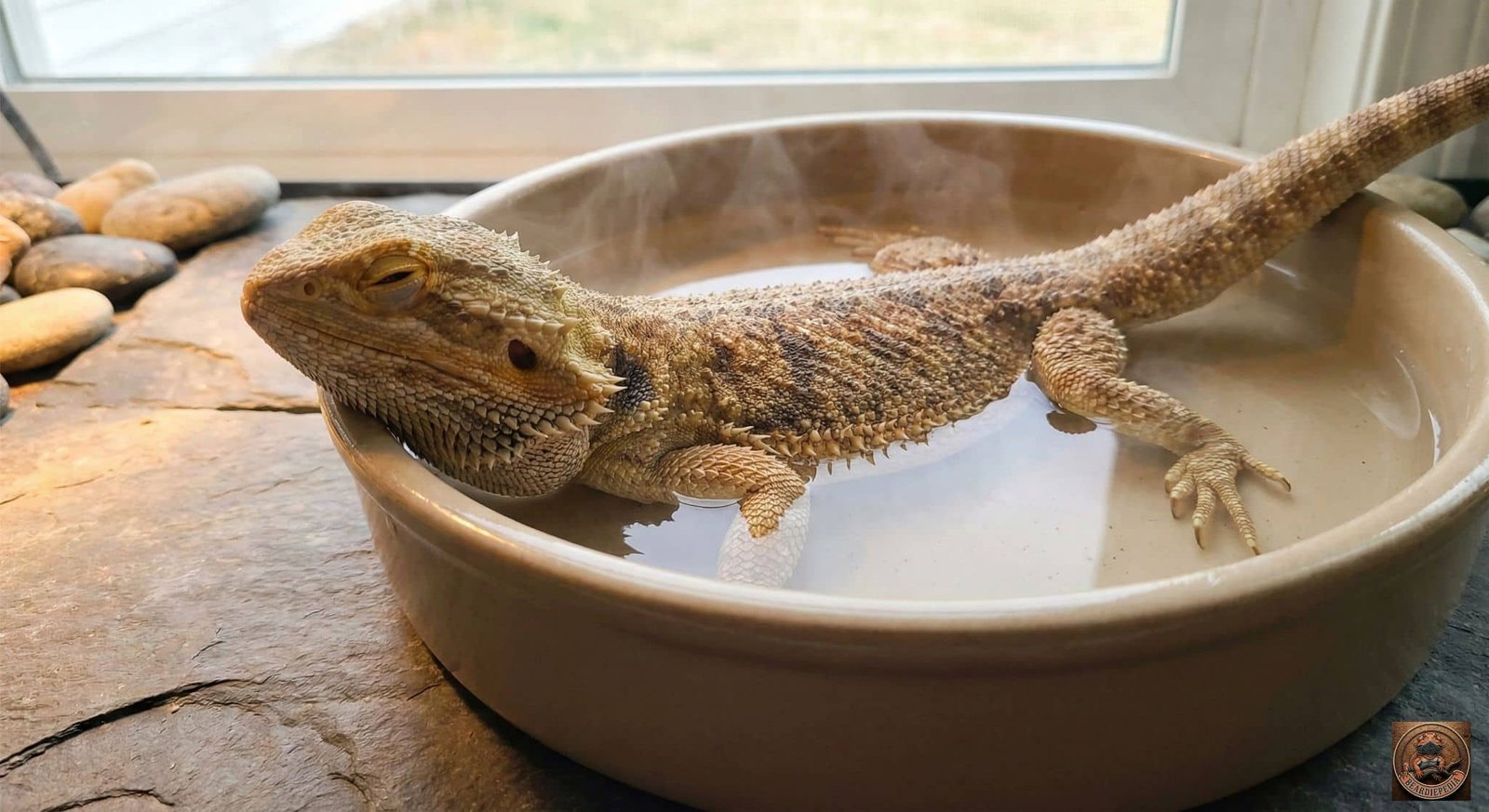
As your dragon grows, they will shed their skin. This is an itchy process. While it’s tempting to help, you must never peel the shed. We use warm baths to help them naturally.
Keep Them Clean & Healthy:
- How to Bathe Your Bearded Dragon (Water Temp & Safety)
- Stuck Shed: How to Treat It Without Hurting Your Pet
- Poop Chart: What Healthy (and Unhealthy) Droppings Look Like
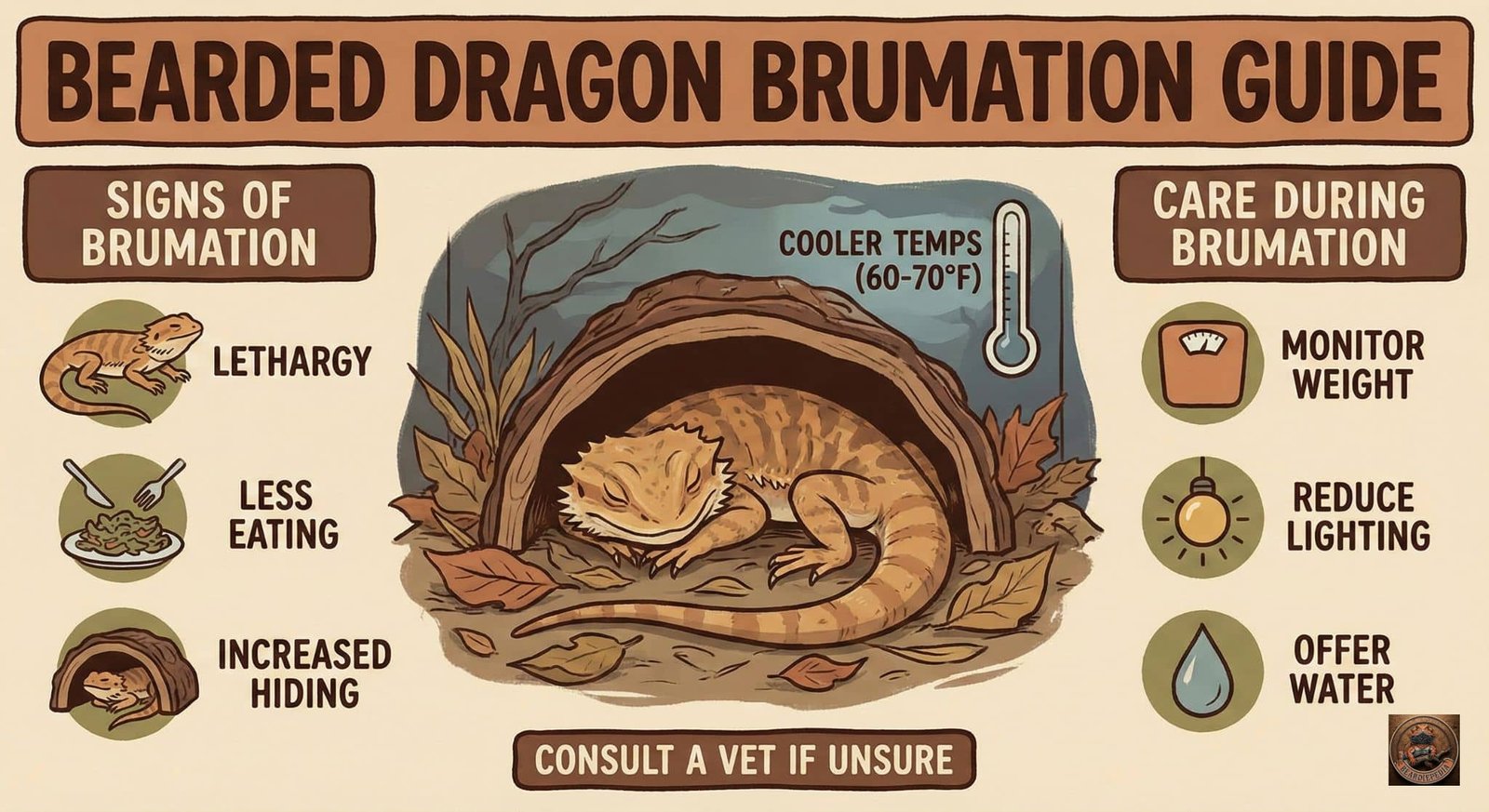
❄️ Seasonal Care (Brumation)
Once a year, your dragon might slow down and sleep for weeks. Don't panic—this is likely Brumation, not sickness.