

Let’s be honest: if you own a bearded dragon, you probably spend a weird amount of time looking at their poop. And you should!
In the wild, dragons are masters at hiding illness. They will act "tough" until they literally collapse. This is a survival instinct to avoid looking weak to predators. Because of this, their feces are often the very first (and sometimes only) warning sign that something is wrong.
A healthy dragon’s gut is a complex engine dependent on heat, hydration, and diet. When one gear slips, the evidence shows up in the tank.
Here is your definitive guide to decoding the mess.
Starting point: What does it mean to be "healthy"?
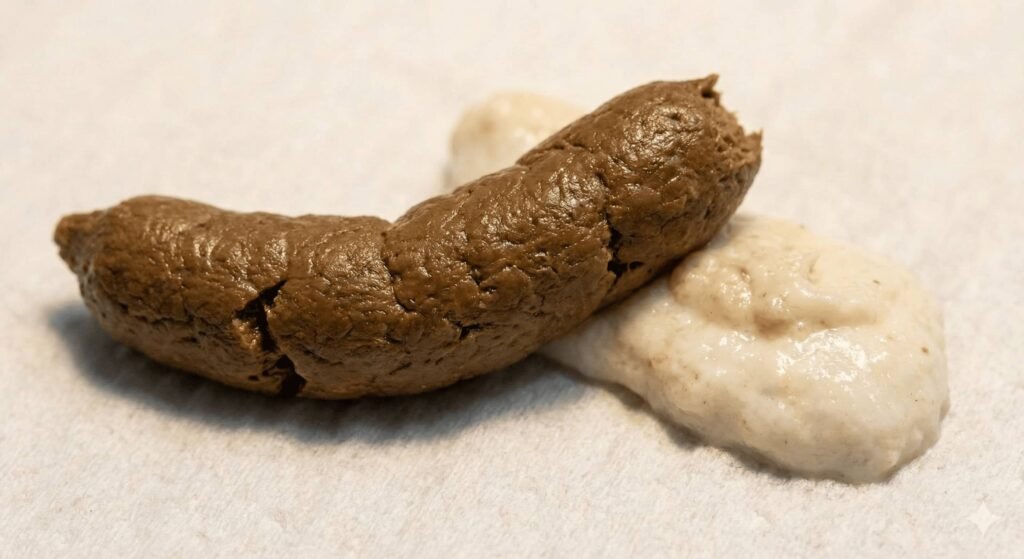
Before we panic about weird colors, we need to know what a "perfect" bowel movement looks like. A standard bearded dragon poop has two distinct parts:
- The Fecal Log (Poop): Brown to dark brown, firm (like a soft log), and well-formed. It shouldn't be rock hard, nor should it be a puddle.
- The Urate (Pee): Reptiles don't urinate liquid like mammals. They conserve water by passing uric acid as a white, chalky solid. This should be soft and white (or slightly off-white) and attached to the poop.
✅ The Verdict: If it looks like a brown log with a white tip, your husbandry is likely on point.
The stool chart: diagnosis of abnormalities
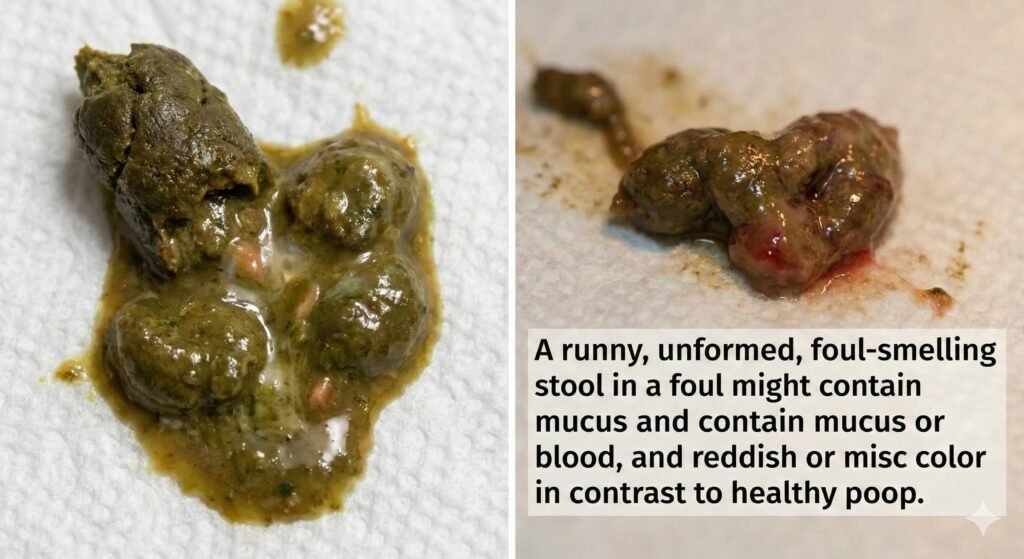
✅ Normal / Healthy
Brown, firm log with soft white urate tip. Not too hard, not too wet. Good job!
⚠️ Runny & Smelly
Diarrhea with foul odor usually means Parasites (Coccidia). Needs a Vet check.
⚠️ Hard & Dry
Looks like a stone or crumbles. Sign of Dehydration. Increase water and baths.
❄️ Undigested Bugs
Whole insects visible. Usually means Basking Temps are too low. Check your heat lamp.
🚨 Red / Bloody
Did they eat berries? If not, this is an emergency (Internal bleeding or parasites).
⚠️ Yellow Urates
Too much Calcium or mild dehydration. Adjust supplements and water intake.
If things don't look right, find the symptom below.
1. Liquid, watery, or "explosive" stools
The Cause: Parasites or Overhydration. The Fix: If you recently fed them hornworms, cucumber, or lots of zucchini, this might just be temporary overhydration. Wait 24 hours. However, if the smell is unbearably foul (room-clearing stench) and it happens consistently, this is the classic sign of Parasites (usually Coccidia or Pinworms).
- Action: You need a fecal float test at the vet. Do not ignore this; parasites steal nutrients and stunt growth.
2. Hard, dry, or "crumbly" stools
The Cause: Dehydration. The Fix: Your dragon is not getting enough water. Gut impaction could be next if you don't fix this.
- Action: Increase hydration immediately. Use a syringe to drip water on their nose, offer more "wet" veggies (like squash), and give them a warm soak (bath) for 15 minutes.
3. Red or bloody stools
The Cause: Panic vs. Danger. The Fix: First, breathe. Did you feed them raspberries, beets, or red peppers recently? If yes, it’s likely just food dye. If not, bright red blood can indicate a tear near the vent (from passing a large egg or hard poop), or severe parasites. Dark, tar-like blood indicates internal bleeding.
- Action: If no red foods were eaten, this is a Vet Emergency. Do not wait to see if it improves. While you prepare for your appointment, check our guide on the 7 Signs Your Bearded Dragon Is Sick (And When to See a Vet) to see if your dragon is showing other subtle symptoms—like a black beard or lethargy—so you can give your exotic vet the complete picture.
4. Yellow or orange urates
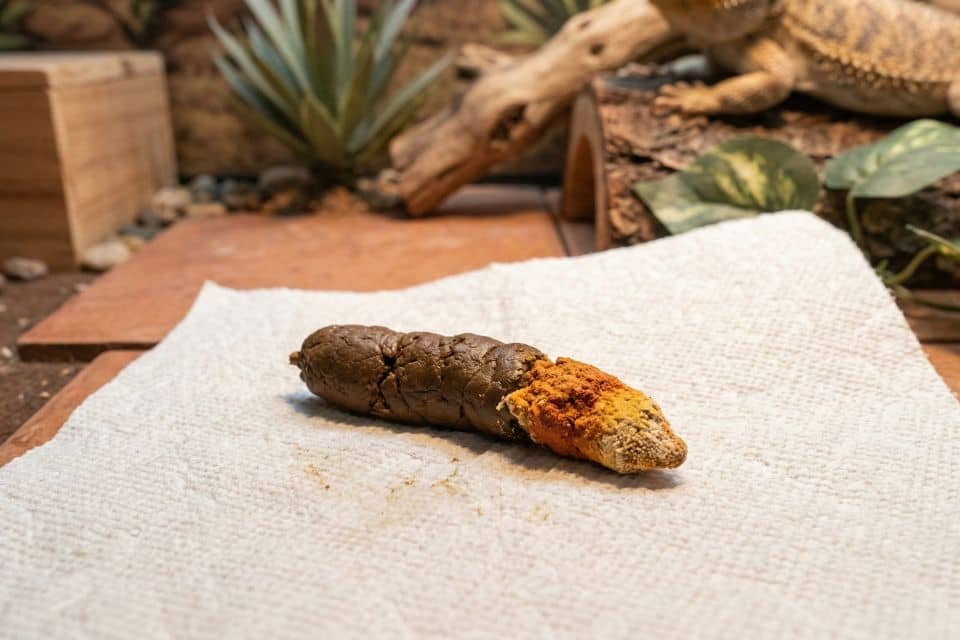
The Cause: Dehydration, Excess Supplements, or Diet. The Fix: The urate (the pee) should be soft and white. When it changes color, it's usually a warning sign about their fluid intake or vitamin schedule:
- Light Yellow: Mild dehydration or slightly too much calcium.
- Bright Orange / Dark Yellow: Severe dehydration or too much Vitamin A. The urates might feel hard, chalky, or gritty, which can make it painful to pass and lead to constipation or impaction.
- Pinkish Tint: Can sometimes be mistaken for orange, but a true pink tint can indicate mild digestive irritation or a heavy parasite load.
Action: First, push fluids immediately. Give your dragon a 15-20 minute warm soak (bath), use a syringe or dropper to drip water onto their snout so they lick it off, and temporarily offer water-rich veggies (like a small amount of cucumber or hornworms). Second, review your dusting schedule to ensure you aren't overdoing the calcium or multivitamins.
5. Undigested insects (whole insects in feces)
The Cause: Low Basking Temperatures. The Fix: This is almost never a problem with the bug itself. Bearded dragons need high heat (100°F - 110°F / 38°C - 43°C) to activate their digestive enzymes. If their basking spot is too cool, the food simply rots in their stomach or passes through whole.
- Action: Check your temps with a digital probe thermometer (stick-on analogs are inaccurate). Ensure they have 2 hours of heat after their last meal before lights out.
6. Green poop
The Cause: Diet (Normal) or Liver (Rare). The Fix: If you feed mostly greens (collards, mustard greens), the poop will naturally be tinted green. This is normal. If the poop is neon/bile green and slimy, and they aren't eating, it could indicate a liver issue or anorexia.
The Bottom Line (bearded dragon poop chart)
Poop is gross, but it's also your best diagnostic tool.
- Healthy: Brown log, soft white urate.
- Parasites: Watery, ungodly smell.
- Cold Tank: Undigested bugs.
- Dehydration: Hard, dry stones.
Keep an eye on the cleanup routine, and you’ll catch health issues weeks before they become life-threatening.
Frequently Asked Questions About Bearded Dragon Poop
What does healthy bearded dragon poop look like?
Healthy bearded dragon poop consists of two parts: a brown to dark brown firm log (the fecal matter) and a soft, chalky white or off-white urate (the reptile equivalent of urine). The consistency should be formed but not rock hard, and not watery. This combination indicates proper hydration, correct basking temperatures, and a balanced diet.
Why is my bearded dragon's poop runny and smelly?
Runny, foul-smelling diarrhea is the classic sign of intestinal parasites, most commonly Coccidia or Pinworms. If the smell is unbearable and it happens consistently, you need a veterinary fecal float test immediately. However, if you recently fed hydrating foods like hornworms or cucumber, it might just be temporary overhydration—wait 24 hours to see if it improves.
What does it mean if my bearded dragon's poop is hard and dry?
Hard, dry, or crumbly poop that looks like stones is a clear sign of dehydration. Your dragon is not getting enough water, which can lead to gut impaction if not corrected. Increase hydration immediately by dripping water on their snout with a syringe, offering water-rich vegetables like squash, and providing warm 15-minute soaks in shallow baths.
Why is there blood in my bearded dragon's poop?
First, check if you recently fed raspberries, beets, or red peppers—these can temporarily tint the stool red. If no red foods were eaten, bright red blood may indicate a tear near the vent from passing a large egg or hard stool, while dark, tar-like blood suggests internal bleeding. If no red foods were consumed, this is a veterinary emergency that requires immediate attention.
What do yellow or orange urates mean in bearded dragon poop?
The urate (the white part) should be soft and white. Light yellow urates indicate mild dehydration or slightly too much calcium. Bright orange or dark yellow urates signal severe dehydration or excessive Vitamin A. Pinkish tints can indicate digestive irritation or heavy parasite loads. Increase fluids immediately and review your supplement dusting schedule.
Why are there undigested insects in my bearded dragon's poop?
Undigested whole insects in the stool almost always indicate that your basking temperatures are too low. Bearded dragons need a basking spot of 100°F–110°F (38°C–43°C) to activate their digestive enzymes. If the temperature is too cool, food passes through undigested or rots in their stomach. Check your temperatures with a digital probe thermometer immediately.
How often should a bearded dragon poop?
Frequency varies by age. Babies and juveniles (under 6 months) may poop 1-3 times daily due to their high-protein diet. Young adults (6-18 months) typically poop once daily or every other day. Adults (18+ months) may only poop 2-4 times per week, especially if eating more greens than insects. Changes in frequency combined with other symptoms warrant investigation.
Can impaction kill a bearded dragon?
Yes, impaction (a severe blockage in the digestive tract) can be fatal if left untreated. It occurs when a dragon ingests substrate like sand, or when dehydration causes hard, dry stool that cannot pass. Signs include straining to poop, lack of appetite, lethargy, and paralysis in the hind legs. Immediate veterinary care is essential for suspected impaction.
0 Comments