

As a bearded dragon owner, there are few things more alarming than picking up your scaly friend and noticing dark, unnatural patterns covering their belly. Unlike a dog that might whimper, reptiles communicate their discomfort physically.
While our previous guide covered the complexities of their body language, such as head bobbing and arm waving, stress marks are an entirely different signal. They are an involuntary physical reaction to environmental, physical, or emotional distress.
If your dragon is showing these marks, don't panic. In this guide, we will break down exactly what these marks mean, the most common culprits behind them, and actionable steps to help your dragon feel safe and comfortable again.
What Do Bearded Dragon Stress Marks Look Like?
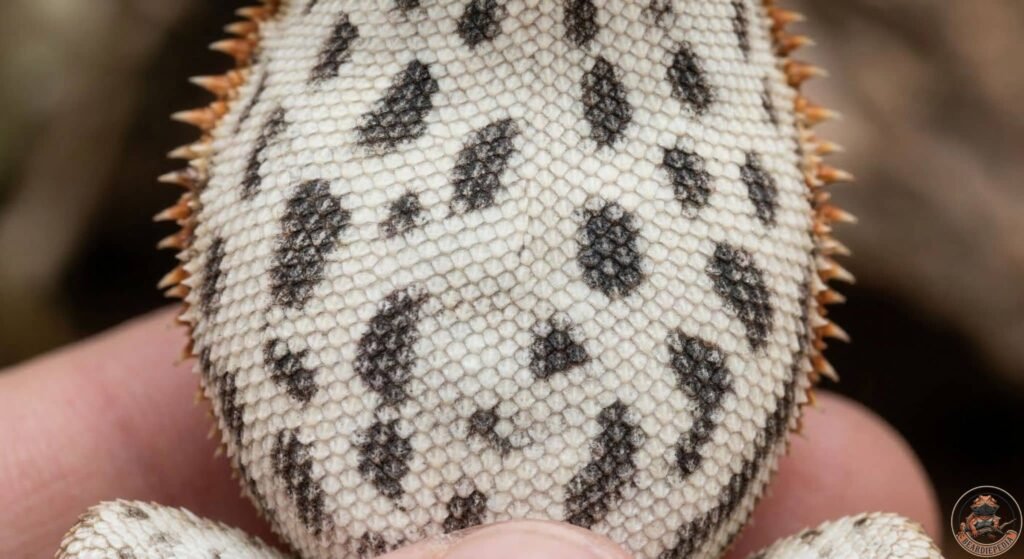
Stress marks are distinct, dark patterns that appear on a bearded dragon’s underside.
- Location: They primarily show up on the belly, but can extend up to the chin and beard, or down along the limbs.
- Appearance: They look like dark gray or black lines, ovals, or somewhat resemble a dark "leopard print" against their normally white or cream-colored belly scales.
- Age Factor: These marks are incredibly common in babies and juveniles. Young dragons are naturally more skittish as they are at the bottom of the food chain in the wild.
Common Causes: Why Is My Dragon Stressed?
To fix the marks, we first need to identify the trigger. Stress in reptiles usually comes down to husbandry (care and environment) or major changes.
1. Relocation Stress (The New Home Jitters)
If you just brought your dragon home, or recently moved them to a new enclosure, stress marks are completely normal. It takes time for them to realize they are safe. Relocation stress can last anywhere from a few days to two weeks.
2. Incorrect Temperature or Lighting
Bearded dragons are cold-blooded (ectothermic). If their environment is off, their bodies panic.
Poor UVB: Without proper UVB lighting, they cannot process calcium, leading to severe anxiety and long-term health issues.
Too Cold: If the basking spot isn't hot enough (it should be between 100°F - 105°F for adults, slightly higher for babies), they cannot digest their food.
3. An Inadequate Enclosure
A cramped environment causes chronic stress. If your dragon is displaying stress marks alongside frantic scratching at the glass, they might be feeling claustrophobic. (Read more in our guide: ).
If your dragon is displaying stress marks alongside frantic scratching at the glass, they might be feeling claustrophobic. (Read more about this behavior in our guide to bearded dragon glass surfing and body language).
4. Environmental Triggers and "Scary" Sights
Loud noises, other household pets (like cats staring at the tank), or even seeing their own reflection in the glass can make them feel like a predator or rival is nearby.
Cómo eliminar las marcas de estrés y calmar a tu dragón
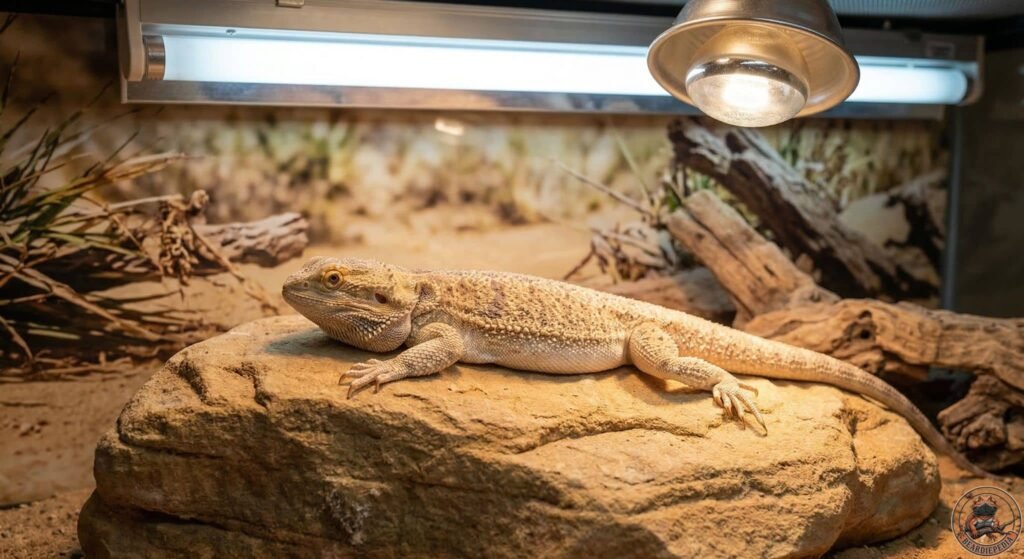
Once you've ruled out immediate medical emergencies (if they are lethargic or refusing to eat for days, please consult an exotic vet and check our ), use this checklist to clear up those marks:
- Check the Gradient: Use a digital probe thermometer or a temperature gun to verify your temperatures. Ensure there is a distinct hot side (basking area) and a cool side (75°F - 80°F) so they can regulate their body heat.
- Cover the Glass: If they are reacting to their own reflection or outside movement, tape paper or a background to the three sides of the terrarium.
- Hands-Off Approach: If the dragon is new, limit handling. Only put your hands in the tank for feeding and cleaning for the first week. Give them space to acclimate.
- Provide Hides: Make sure your dragon has a dark, snug place to hide on both the hot and cold sides of the tank. Sometimes, they just need a break from the world.
- A Warm Soak: A 15-minute soak in shallow, lukewarm water (around 90°F) can help soothe a stressed dragon and aid in hydration and shedding, which are also minor stress triggers.
Stress Marks vs. Normal Thermoregulation
It is crucial to note that bearded dragons can consciously darken their skin to absorb more heat in the morning. If your dragon is dark under the basking lamp but the marks disappear once they warm up, this is not stress. This is healthy, normal thermoregulation.
Stress marks, on the other hand, persist throughout the day, even when the dragon is fully warmed up or hiding on the cool side of the tank.
El resultado final
Stress marks are your bearded dragon’s way of asking for a quick habitat audit. By dialing in your temperatures, providing a secure environment, and understanding their needs, you'll see those dark marks fade back to a healthy, happy white belly in no time.
Frequently Asked Questions About Stress Marks
What do bearded dragon stress marks look like?
Stress marks appear as dark gray or black lines, ovals, or leopard-print patterns on a bearded dragon's normally white or cream-colored belly and chin. They are particularly common in babies and juveniles.
Why is my bearded dragon getting stress marks?
Common causes include relocation stress (moving to a new tank), incorrect terrarium temperatures (too cold or lacking a proper gradient), inadequate UVB lighting, or feeling threatened by outside movement and reflections.
How do I get rid of my bearded dragon's stress marks?
To fix stress marks, verify your tank's temperature gradient (100°F-105°F basking spot), block glass reflections, limit handling if the dragon is new, provide dark hiding spots, and consider a warm 15-minute soak to soothe them.
0 Comments
Trackbacks/Pingbacks