

As an exotic animal veterinarian, one of the most common questions I hear from reptile parents is, "How do I get my bearded dragon to drink?" In the wild, Pogona vitticeps (bearded dragons) are native to the arid environments of Australia. While they are adapted to dry climates, proper hydration is absolutely critical to their kidney function, digestion, and overall health.
Because bearded dragons rarely drink from standing bowls, keeping them hydrated requires a bit of creativity. Here is your comprehensive guide to reptile hydration, signs of illness, and safe techniques to try at home.
What Does a Dehydrated Bearded Dragon Look Like?
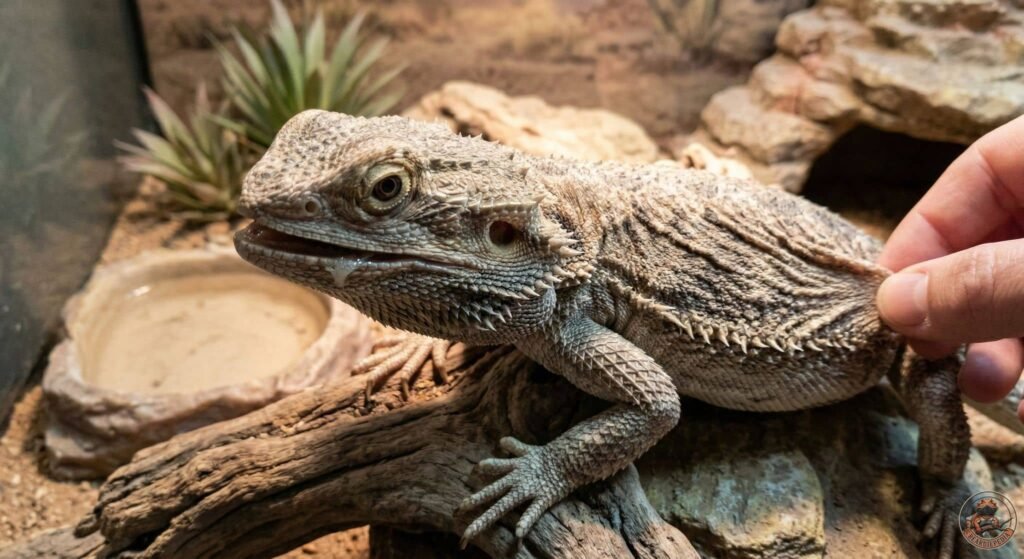
Recognizing the early clinical signs of dehydration can save your pet's life. A healthy dragon should have bright, alert eyes and elastic skin. If your dragon is lacking water, you will notice the following symptoms:
- Sunken Eyes: The eyes will appear receded into their skull, rather than full and alert.
- Wrinkled Skin: Dehydrated skin loses its elasticity. If you gently pinch the skin on their side or back, it will stay "tented" instead of snapping back immediately.
- Lethargy: A severe lack of energy or reluctance to move.
- Tacky Saliva: If you open their mouth, the saliva may look thick or stringy.
How Much Water Should a Bearded Dragon Drink a Day?
Unlike dogs or cats, bearded dragons do not need to drink a set number of ounces per day. In fact, a healthy dragon may go days or even weeks without physically drinking from a water source.
Instead of measuring water volume, focus on dietary moisture. A dragon gets the vast majority of its daily water requirements directly from the moisture-rich vegetables and gut-loaded insects they consume. If they are eating a balanced diet of fresh greens and appropriately hydrated feeder insects, their actual need for supplemental drinking water drops significantly.
Effective Hydration Techniques
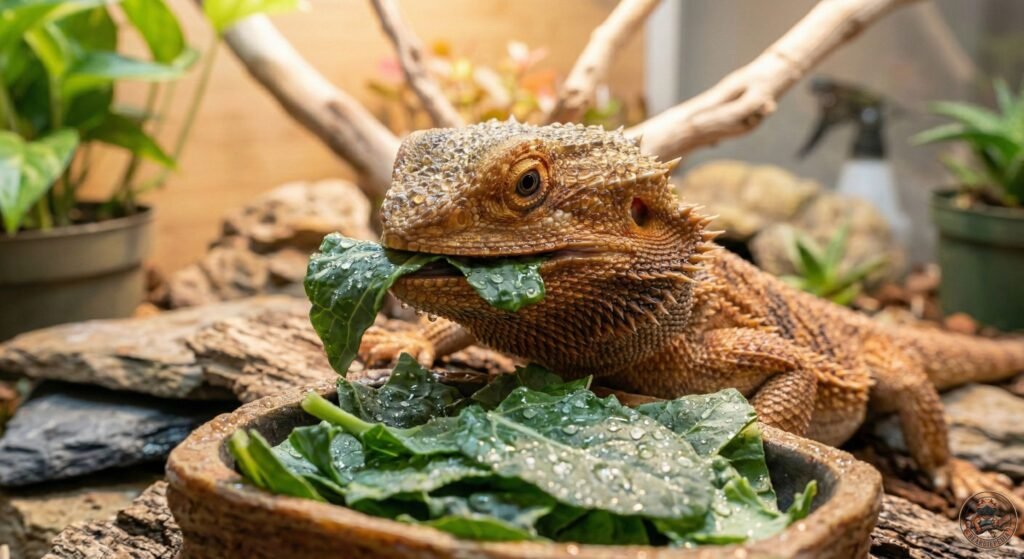
If your dragon needs a moisture boost, or you simply want to ensure they are getting enough fluids, try these vet-approved techniques:
- Targeted Spraying: Use a clean spray bottle to gently drop water directly onto your dragon's snout. The water droplets running down their nose will often stimulate a natural licking response.
- Wet Food and Greens: Heavily mist their daily salads before feeding. Leafy greens like collard, mustard, and turnip greens are excellent staples. You can also provide moisture via high-water foods like cucumber and zucchini, though these should be given as occasional treats, not dietary staples.
- Water Movement: Since dragons do not easily recognize standing water as a resource, use a dropper or syringe to drip water gently into a dish to create ripples. Alternatively, you can install a small reptile fountain to provide continuous water movement.
- Hydrating Foods: Offer feeder insects that have been fed with hydrating veggies (a process known as gut-loading). You can also offer high-moisture treat insects, such as hornworms, which are packed with water.
- Shallow Baths: Give your dragon warm (not hot—around 85°F to 90°F) baths twice a week. Keep the water shallow (no higher than their elbows). This allows them to drink safely if they choose to, while also aiding in shedding and digestion.
Vet Tips for Success and Safety
To ensure your dragon stays healthy and safe while hydrating, always follow these core husbandry rules:
- Monitor Constantly: Keep a close eye out for the wrinkled skin and sunken eyes that indicate dehydration.
- Daily Care: Always offer a clean, shallow bowl of fresh water daily, even if they rarely use it.
- Temperature Matters: Ensure proper basking temperatures (100°F–105°F for adults). Proper thermal gradients are required so they can effectively digest their food and process water. If they are too cold, they cannot metabolize fluids properly.
- Crucial Safety Warning: Do not force-feed water by squirting a syringe directly into the back of their mouth. This can easily lead to aspiration (inhaling water into the lungs), which causes severe, often fatal, respiratory infections. Always let them lap the water up at their own pace.
❓ FAQ Questions
Q: Can a bearded dragon absorb water through its skin?
A: No, this is a common reptile myth. Bearded dragons do not have permeable skin like amphibians do. While soaking in a warm bath is great for shedding and might encourage them to lower their head to drink, they cannot absorb water through their scales or cloaca.
Q: Is it safe to give my bearded dragon tap water?
A: Generally, yes, but it depends on your local water quality. To be completely safe as an exotic vet, I recommend using a reptile-safe water conditioner to remove chlorine and chloramines, or offering bottled spring water. Avoid distilled water, as it lacks the essential minerals your dragon needs.
Q: How long can a bearded dragon go without drinking water?
A: Because they evolved in the Australian desert, a healthy adult bearded dragon can go weeks without physically drinking from a bowl, provided they are eating a moisture-rich diet of fresh greens and gut-loaded insects. However, visible signs of dehydration (sunken eyes, wrinkled skin) should be addressed immediately.
0 Comments